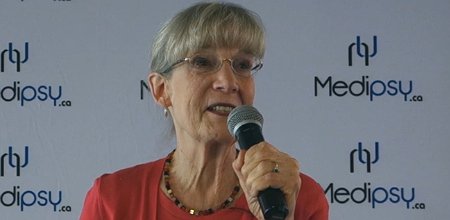
Understanding Psychiatric Medications: What Every Therapist Should Know

Dr. Kenneth Carter, Psychologist

About the expert

Picture of Kenneth Carter
Dr. Kenneth Carter is Charles Howard Candler Professor of Psychology at Oxford College of Emory University and the founding director of the Emory University Center for Public Scholarship and Engagement. He served as the interim dean of Oxford College from 2022-2023. A graduate of Oxford College and Emory University, Carter received an MA and PhD in psychology from the University of Michigan. After completion of his doctoral work, he also earned an MS in psychopharmacology from Fairleigh Dickinson University and gained board certification as a clinical psychologist. He is the author of several textbooks including Psychopathology: Understanding Psychological Disorders (Cambridge University Press) and the forthcoming Living Psychology (SAGE Publications). He has published in both academic and lay publications, translating psychology research into engaging everyday language. His articles have been published in magazines such as Psychology Today and Women’s Health, and he has appeared on news programs such as CNN Tonight, NPR’s: ShortWave, All Things Considered, and NBC’s Today show. The psychology of thrill-seeking is the current focus of Dr. Carter’s research. He has delivered TEDx talk on thrill-seekers and is the host of Mind of a Motorhead an NBC Sports web series that examines the personalities of motorsport athletes. His most recent book is Buzz!: Inside the Minds of Thrill-Seekers, Daredevils, and Adrenaline Junkies (Cambridge University Press). When not teaching, speaking, or writing, Dr. Carter prefers reading and relaxing on the beach rather than wingsuit flying or BASE jumping.

More →

Learning objectives

  1. Explain the appropriate role of mental health professionals in the treatment of clients receiving both psychotherapy and psychotropic medications.
  2. Describe the neurotransmitter systems and neuroanatomy underlying common mental disorders and the mechanisms of action of major classes of psychiatric medications covered during the training.
  3. Identify the major classes of psychotropic medications used to treat depression, anxiety, bipolar disorder, ADHD, psychosis, and insomnia, including their primary indications and common adverse effects.

Learning material

A theoretical course illustrated with clinical examples. This course consists of videos of 5 to 15 minutes each. The course PowerPoint is available for download.

Syllabus

  • PowerPoint
  • 1. Introduction
  • Introduction and Professional Foundations

  • 2. The Therapist's Role in Medication Conversations
  • 3. Why Therapists Need Psychopharmacology Knowledge
  • 4. Helping Clients with Expectations and Side Effects
  • 5. Monitoring and Advocacy
  • 6. Practice Guidelines and Informed Consent Process
  • 7. Particular Issues That Necessitate Consultation with a Prescriber
  • Neuroscience Foundations

  • 8. Basic Neurobiology for Clinicians
  • 9. Pharmacology Concepts Relevant to Practice
  • Antidepressant Medications

  • 10. Focus Concepts
  • 11. Neurobiology of Depression
  • 12. Selective Serotonin Reuptake Inhibitors (SSRIs)
  • 13. Differences Among SSRIs
  • 14. Newer Serotonergic Agents
  • 15. Serotonin Norepinephrine Reuptake Inhibitors (SNRIs)
  • 16. Other Antidepressants
  • Medications Across Conditions

  • 17. Anxiety Disorders, Symptom Dimensions, and SSRIs
  • 18. Benzodiazepines and Other Anxiety Medications
  • 19. Bipolar Disorder
  • 20. ADHD Medications
  • 21. Drug Delivery Systems
  • 22. Psychosis
  • 23. Insomnia
  • 24. Conclusion
  • Bibliography


CE Credits

Download a certificate of successful completion.


Audience

This course is intended for all mental health professionals.

Registration

  • 3h of continuing education
  • 24 lessons that last from 5 to 15 minutes each
  • 1 PowerPoint
  • 1 bibliography (APA)
  • 1 final evaluation
  • 1 certificate of completion
  • 7-day money back guarantee
  • Unlimited access

Legal notice

The courses offered by ASADIS are accredited by different professional organisations. In addition, ASADIS is approved by the Canadian Psychological Association to offer continuing education for psychologists. ASADIS maintains responsibility for the program.

The CPA’s approval of an individual, group, or organization as a CE Sponsor or Provider is restricted to the activities described in the approved application or annual report form. The CPA’s approval does not extend to any other CE activity the Sponsor or Provider might offer. In granting its approval, the CPA assumes no legal or financial obligations to Sponsors, Providers, or to those individuals who might participate in a Sponsor or Provider’s CE activities or programs. Further, responsibility for the content, provision, and delivery of any CE activity approved by the CPA remains that of the CE Sponsor or Provider. The CPA disclaims all legal liability associated with the content, provision, and delivery of the approved CE activity.

Want to know when new courses are available?

Sign up to our mailing list →


Upon joining, you'll receive a 25% welcome promo code, and you can always unsubscribe at any time!


Find us on: LinkedIn   Facebook   Instagram