In a culture that idealizes autonomy and self-sufficiency, the normative developmental dependence of children is often misunderstood—and, at times, pathologized. This societal narrative can create a profound disconnect between parents and their children, especially when independence is promoted before the child has developed foundational capacities for emotional self-regulation. When this premature push toward autonomy occurs, it can disrupt the critical processes of attachment, self-esteem formation, and identity development.
This raises key clinical questions:
- What are the psychological consequences of encouraging independence before a child is developmentally ready?
- How does disrupted attachment impact the emergence of self-regulation and self-concept?
- What internal mechanisms develop when a child is left to navigate emotional experiences without the scaffolding of a secure attachment?
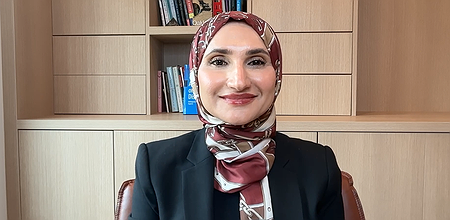
In this workshop, Dr. Christina Reese, seasoned clinician and author with over 20 years of experience, will guide participants through the nuanced dynamics of attachment disruptions and their long-term implications.
Through a blend of developmental theory, clinical insights, and practical tools, you will:
- Learn how to support parents in building and maintaining secure attachment with their children.
- Explore strategies to enhance felt safety and emotional security within the parent-child relationship.
- Gain techniques for helping caregivers understand their vital role in co-regulating their child’s emotional world.
This session will equip you with evidence-based approaches to implementing attachment-informed interventions that foster resilience, emotional regulation, and relational repair.