Some symptoms of psychosis persist despite medication—CBTp offers a structured and evidence-based approach to address them.
When hallucinations, delusional beliefs, or negative symptoms become entrenched, they can significantly hinder recovery and autonomy. Cognitive Behavioural Therapy for Psychosis (CBTp) was specifically developed to support individuals facing this kind of persistent distress. With strong empirical support, CBTp equips clinicians to address the mechanisms maintaining psychotic symptoms and to foster both clinical and personal recovery.
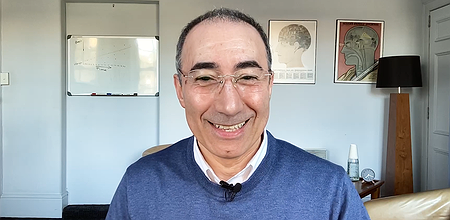
In this 3-hour training, Dr. Michael Best—clinical psychologist and assistant professor at the University of Toronto—provides a clear and rigorous introduction to CBTp. Drawing on current evidence and real case examples, he outlines the core structure of this intervention, along with practical tools to use in clinical settings.
You will be equipped to:
- Structure intervention across five treatment phases, from assessment to consolidation, including maintenance sessions and action planning.
- Deploy targeted cognitive and behavioural strategies to support clients in reinterpreting hallucinations and delusional beliefs.
- Use individualized case conceptualization to guide treatment, promote engagement, and tailor change strategies.
- Work from a recovery-oriented perspective, integrating clinical, personal, and functional dimensions.
This training provides a solid foundation for incorporating CBTp into your therapeutic practice—whether working individually or alongside other forms of support.