Recent research suggests that individuals who feel connected to nature show notably lower anxiety levels and higher resilience skills.
In this course, you will explore how nature-based interventions can enhance your anxiety treatment protocols. You will learn to integrate evidence-based nature-informed techniques into your existing therapeutic framework, whether you practice in traditional office settings, outdoor environments, or via telehealth.
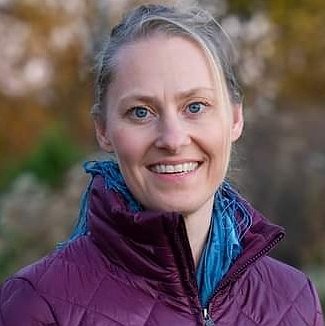
Dr. Heidi Schreiber-Pan will guide you through the neurological foundations of nature's impact on the stress response system. You will discover how natural environments influence cortisol levels, heart rate variability, and neural pathway restructuring. The course grounds these mechanisms in Attention Restoration Theory, neuroplasticity research, and the Biophilia Hypothesis.
You will learn to assess clients' ecological identity and identify barriers to nature connection. You will explore practical interventions that can be implemented immediately, including:
- Awe walks for cultivating wonder and reducing rumination
- Sensory grounding exercises using natural elements
- Distress tolerance building through "human rewilding" principles
- Gratitude practices that counter negativity bias
- Attention restoration techniques for mental fatigue recovery
The course will demonstrate how to adapt nature-informed interventions across multiple formats. You will see applications for walk-and-talk therapy, seated outdoor sessions, office-based nature integration, and telehealth delivery. You will learn to balance distress tolerance development with self-compassion practices in natural contexts.
You will examine the concept of eco-separation and its three dimensions: species loneliness, place blindness, and sensory amnesia. This framework will help you understand how modern disconnection from nature contributes to anxiety symptomatology in your client population.
The training emphasizes reciprocity between humans and the natural world. You will develop strategies that not only reduce client anxiety but also foster environmental engagement and ecological consciousness. This approach aligns with contemporary needs for conservation involvement while addressing individual mental health concerns.
By the end of this course, you will have expanded your anxiety treatment repertoire with nature-informed tools. You will be able to implement these interventions immediately, adapting them to your specific practice context and client needs. These evidence-based techniques will complement your existing therapeutic approaches, offering clients additional pathways to emotional regulation and psychological resilience.