Nature Informed Techniques for Childhood Trauma Healing

Dr. Cheryl Fisher, Clinical Professional Counselor

Engaging the body, restoring the self - healing trauma through nature

Excerpt:

Download an outline

  • 2h30 of continuing education
  • 23 lessons that last from 5 to 15 minutes each
  • 1 certificate of achievement
  • 1 PowerPoint
  • 1 bibliography
  • 1 course evaluation
  • 7-day money back guarantee
  • Unlimited access
  • 97% of participants who completed the satisfaction survey declare they would recommend this course to a colleague

Overview

Adverse childhood experiences can have profound and lasting effects on a child’s development. Children affected by trauma often exhibit dissociative symptoms, emotional dysregulation, and intrusive thoughts or images. Without the language to express their fears and emotions, they may manifest distress through somatic complaints such as stomachaches, headaches, or nonspecific body pain.

This evidence-based workshop will equip you with nature-informed techniques grounded in contemporary neuroscience, trauma theory, and the Decolonial, Humble, Culturally Responsive (DHCR) Model.

Led by Dr. Cheryl Fisher—a certified trauma specialist and ecopsychologist with over 25 years of clinical experience—you will integrate bottom-up, somatic interventions that complement your existing practice while addressing the embodied nature of childhood trauma.

Throughout this workshop, you will learn to :

  • Implement the DHCR framework in trauma assessment and treatment planning. You will learn to conduct eco-cultural assessments using validated tools to understand each client's relationship with the natural world and identify accessibility barriers.
  • Integrate current neuroscience of childhood trauma into clinical formulation and connect these neurobiological changes to observable symptoms.
  • Apply specific nature-based interventions across clinical and educational settings. You will discover how to adapt evidence-based practices—shown to reduce cortisol, improve attention in ADHD, and promote calm-alert states—to diverse populations and settings, including urban environments with limited green space access.
  • Strengthen somatic and embodied therapeutic competencies, addressing beliefs, affect, social functioning, imagination, cognition, and physiology through multisensory engagement.

These nature-informed techniques provide concrete alternatives when language-based processing proves insufficient or premature, particularly with pre-verbal trauma, dissociative presentations, or culturally diverse populations where traditional therapeutic frameworks may not align. The somatic, sensory-rich interventions you will implement offer pathways to regulation, empowerment, and resilience that honor both neurobiological realities and cultural contexts. By the end of this workshop, you will have immediately applicable assessment protocols, specific techniques illustrated through clinical examples, and a framework for ethically integrating nature-based work regardless of your practice setting or the communities you serve.


About the expert

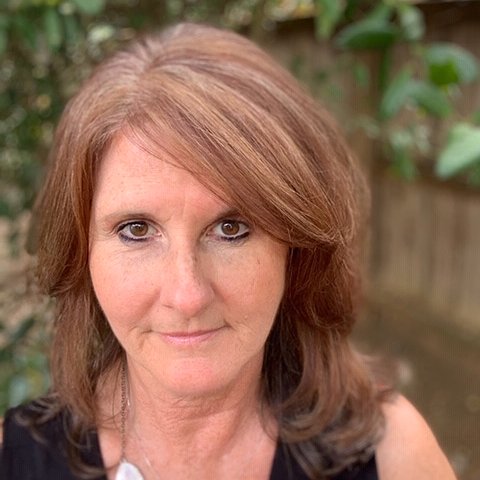
Picture of Cheryl Fisher

Dr. Cheryl Fisher, clinical professional counselor, is a Director and Associate Professor in the MA in Clinical Counseling at Alliant International University-California School for Professional Psychology, is licensed as a clinician in three states with over 25 years of experience.

An International Certified Trauma Professional, she specializes in dissociative disorders and is certified in Ecopsychology. Her research focuses on the intersection between human and more-than-human experiences. As an international speaker, she presents at various conferences and summits, including the Association for Creativity in Counseling and the Kids Nature Summit in the UK. Dr. Fisher also conducts workshops on nature therapy and has authored numerous articles and books on the subject.

More →

Learning objectives

  1. Implement Decolonial, Culturally Humble Model (DCHM) to trauma exposure and trauma healing
  2. Understand three specific ways trauma impacts childhood neurology
  3. Understand the benefits of engaging in and with nature
  4. Implement trauma-informed nature therapy in clinical practice

Learning material

A theoretical course illustrated with clinical examples. This course is composed of videos of 5 to 15 minutes each. The PowerPoint of the course to download.

Syllabus

  • PowerPoint
  • 1. Introduction
  • The Roots of Trauma and Brain Adaptation

  • 2. Trauma Across Time and Cultures
  • 3. Understanding the Adaptative Brain Networks
  • 4. Childhood Trauma
  • Body, Sensory Processing, and Resilience

  • 5. Somatic and Embodied Approach
  • 6. Sensory Exercise
  • 7. Human-Nature History
  • 8. Eco-cultural Assessment
  • 9. BASIC PH Resiliency Model
  • Understand the Benefits of Engaging In and With Nature

  • 10. Biopsychosocialspiritual Experience
  • 11. Benefits of Nature Informed Therapy
  • 12. Greenspace and Research Findings
  • 13. Attention, Mindfulness and Engaging in Nature
  • Implement Trauma-Informed Nature Therapy in Clinical Practice

  • 14. Nature Informed Interventions
  • 15. Nature as a Metaphor
  • 16. Human-Animal Connection
  • 17. Nature-Informed Indoor Alternatives
  • 18. Creating Green Space
  • 19. Research, Nature and Technology
  • 20. Clinical Implications
  • 21. Treatment Plan and Case Study
  • 22. Nature-Informed Endings…and New Beginnings
  • 23. Conclusion
  • Bibliography


CE Credits

Download a certificate of successful completion.


Audience

This course is intended for mental health professionals.

Registration

  • 2h30 of continuing education
  • 23 lessons that last from 5 to 15 minutes each
  • 1 certificate of achievement
  • 1 PowerPoint
  • 1 bibliography
  • 1 course evaluation
  • 7-day money back guarantee
  • Unlimited access

Legal notice

The courses offered by ASADIS are accredited by different professional organisations. In addition, ASADIS is approved by the Canadian Psychological Association to offer continuing education for psychologists. ASADIS maintains responsibility for the program.

The CPA’s approval of an individual, group, or organization as a CE Sponsor or Provider is restricted to the activities described in the approved application or annual report form. The CPA’s approval does not extend to any other CE activity the Sponsor or Provider might offer. In granting its approval, the CPA assumes no legal or financial obligations to Sponsors, Providers, or to those individuals who might participate in a Sponsor or Provider’s CE activities or programs. Further, responsibility for the content, provision, and delivery of any CE activity approved by the CPA remains that of the CE Sponsor or Provider. The CPA disclaims all legal liability associated with the content, provision, and delivery of the approved CE activity.

Want to know when new courses are available?

Sign up to our mailing list →


Upon joining, you'll receive a 25% welcome promo code, and you can always unsubscribe at any time!


Find us on: LinkedIn   Facebook   Instagram