Introduction to key constructs and practices
Grief and shame rarely present themselves by name. They often surface as anxiety, depression, or coping behaviors that mask the underlying affect.
Their boundaries are also contested. The diagnostic status of grief has shifted across DSM editions, and its distinction from depression remains debated.
Core shame adds another layer. It tends to live in silences, averted gaze and hesitant speech rather than words. It often deepens when grief has been dismissed or left unexpressed.
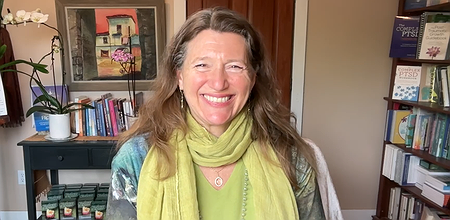
This training offers an integrative, relational framework for recognizing and treating grief and core shame together. Dr. Patti Ashley draws on attachment theory, interpersonal neurobiology (notably Allan Schore's work) and polyvagal theory as a clinical lens.
The content examines how early relational experiences and nonverbal communication shape shame and emotional development. Therapeutic empathy is positioned as the core of the grieving and healing process.
You will learn to detect the verbal, paralinguistic and nonverbal clues of hidden shame. You will also explore how autonomic states such as withdrawal and shutdown can appear in grief and shame.
The training helps you:
- Deepen your understanding of how grief and shame intertwine
- Strengthen your reading of autonomic and nonverbal cues
- Integrate therapeutic empathy and co-regulation into your work
- Implement expressive, experiential and relational interventions
You will discover tools such as letter writing, affect labeling, mindfulness, self-compassion and creative modalities. Reflective exercises invite you to notice your own embodied responses and shame triggers in session.
The evidence base is presented transparently. Therapeutic empathy, expressive writing, mindfulness and self-compassion have empirical support, while affect labelling is supported by laboratory research.
Clinically derived tools, such as the Deep S.E.A. Dive and the six ways to express anger, are offered as applications of these principles.
Polyvagal theory serves as a framework for understanding safety and connection, some of its physiological claims remain debated as well as the term "right-brain" which is used as shorthand for work engaging emotion, the body and the therapeutic relationship.
These skills help you recognize losses that clients have not yet named and meet them with attuned, regulating presence. The result is a more precise capacity to support grief processing and the gradual release of core shame.