- Ascertain the underlying neurobiological processes and neurophysiological functions that are influenced by the insula.
- Administer interoception techniques to address client needs.
- Implement methods for teaching clients how to influence emotional response, integrate sensory information, and modulate decision-making, attention and memory.
Neuropsychology Techniques Engaging the Insula
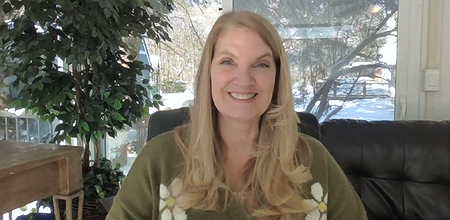
Dr. Janene Donarski, Psychologist
Master body-based interventions through insular neuroscience—practical techniques for emotion regulation and treatment-resistant presentations.
Excerpt:
- 3h30 of continuing education
- 31 lessons that last from 5 to 15 minutes each
- 1 certificate of achievement
- 1 PowerPoint
- 1 bibliography
- 1 course evaluation
- 7-day money back guarantee
- Unlimited access
Overview
Emotional experience is fundamentally rooted in the body's internal states—processed through the insular cortex. It integrates sensory information from every organ system to create what we experience as feelings, urges, and self-awareness. When this integration falters, standard talk therapy is much less efficient.
This course will introduce you to the neuropsychology of the insula and its role in interoception—the perception of internal bodily states. You will learn how insular dysfunction appears across anxiety, trauma, depression, OCD, PTSD, and addiction. You will explore evidence-based techniques that engage this neural circuitry to support emotion regulation and reduce symptom persistence.
Throughout the training, you will:
- Deepen your understanding of how the insula processes cardiac, respiratory, gastrointestinal, and nociceptive signals
- Learn to recognize interoceptive dysregulation patterns in common clinical presentations
- Integrate body-based awareness techniques into your existing therapeutic approach
- Distinguish between neural networks that enable versus block therapeutic change
You will examine the anatomy and connectivity of the insular cortex across its sensorimotor, chemosensory, socio-emotional, and cognitive subdivisions. You will learn how these regions coordinate to create coherent representations of internal experience. The course will present specific interoceptive training methods targeting cardiovascular awareness, respiratory regulation, affective touch, and thermoception.
This training will equip you with neuroscience-informed interventions that address the physiological substrate of emotional experience. You will leave with practical tools for engaging the insula in therapeutic work—particularly valuable when traditional approaches have plateaued or when working with treatment-resistant presentations.
Accreditation

Ordre des Psychologues du Québec

Collège des médecins du Québec
For physicians who practice psychotherapy, training recognized by the Ordre des psychologues du Québec is automatically considered as activities adopted by the Collège des médecins, in accordance with Article 3 of the Regulation.
For physicians who do not practice psychotherapy, the College evaluates each recognition request based on the following criteria:
- the relevance of the activity to the practice of the profession
- the skills and experience of the trainer
- the quality of the content and its adequacy with the physician's practice
- the pedagogical framework of the activity
- the quality of the documentation provided
- compliance with the training objectives set out in the regulation
- the presence of a certificate of participation or an evaluation
About the expert

Dr. Janene Donarski is a Licensed Clinical Psychologist with over 20 years of specialized experience in neuropsychology, trauma treatment, and evidence-based interventions. Her clinical practice integrates neuroscience research with practical therapeutic applications, making complex brain science accessible and actionable for mental health professionals.
Dr. Donarski's expertise spans neuropsychological assessment across the lifespan, trauma and anxiety treatment, veterans and military family care, and forensic psychological evaluation. She holds advanced certifications including EMDR Level II practitioner, Clinical Anxiety Treatment Professional (CCATP), Evergreen Dementia Care Specialist, Certified Hypnotherapist, and Neuro-Linguistic Programming practitioner.
As a board member for Clinical Anxiety Treatment Professionals certification, Dr. Donarski has trained mental health professionals for over a decade, translating neuropsychological research into clinical practice. She is the author of "Anxiety & Trauma Recovery Book: Using a Neuroscience-Informed Treatment Response to Healing" and maintains an active private practice specializing in complex behavioral and neurological conditions.
Dr. Donarski's teaching approach emphasizes the neurobiological foundations of therapeutic interventions, helping clinicians understand not just what techniques to use, but why they work at the neural level. Her training programs equip practitioners with evidence-based tools for working with treatment-resistant presentations and integrating body-based awareness into traditional therapeutic frameworks.
Learning objectives
Learning material
A theoretical course illustrated with clinical examples. This course consists of videos of 5 to 15 minutes each. The course PowerPoint is available for download.
Syllabus
- PowerPoint
- 1. Introduction
-
The Insula - Crucial Roles
- 2. Anatomy Of the Insula
- 3. The Insula's Function part 1
- 4. The Insula's Function part 2
-
The Insula in Mental Health
- 5. Understanding Interoception part 1
- 6. Understanding Interoception part 2
- 7. Neural Pathways and Networks
- 8. The Pain Pathway
- 9. Fear/Stress and Reward Pathways
- 10. Cognitive Control Network
- 11. Interoception and Mental Illness Overview
- 12. Depression and Interoception
- 13. Anxiety Disorders and Interoception
- 14. PTSD, Trauma and OCD
- 15. Addiction and the Insula
-
Interoception & Treatment Interventions
- 16. Interoception Therapies Overview
- 17. Limitations and Other Disorders
- 18. Therapeutic Foundation
- 19. Mirror Neurons and Treating Alexithymia
- 20. Yoga, Progressive Muscle Relaxation, Meditation and Visualization
- 21. Breathing Techniques
- 22. Visualization Techniques
- 23. Energizing Breaths Technique
- 24. Tapping Technique
- 25. Mirroring Technique
- 26. Dual Techniques - Bottom-Up and Top-Down
- 27. Best Practices for Visualization
- 28. Interoceptive Exposure and EPIC Model
- 29. Chronic Pain, Healthy Brain Functioning and Mindfulness
- 30. Guide Practice with Knowledge
- 31. Conclusion
- Bibliography
CE Credits
Download a certificate of successful completion.
Audience
This course is intended for all mental health professionals.
Registration
Ask a question
Do you have a question? Then email us at contact@asadis.net
Frequently asked questions
-
Is there an evaluation at the end of the course?
To validate the achievement of the learning objectives, a final evaluation in the form of true/false questions is required. It must be completed in order to obtain the certificate of completion.
In addition, an optional self-assessment is offered at the beginning and end of the course, allowing you to measure your progress on the targeted skills.
These evaluations are not graded and are intended primarily to support your professional reflection.
-
I have a disability. Can I receive specific support?
Yes! This training is offered as a pre-recorded video format, without subtitles. If you have a disability, we can provide an adapted alternative (technical assistance for viewing or individual supervision). For any request, please contact our disability coordinator at the following address: contact@asadis.net
-
How long do I have access to the course?
After your registration, the course is accessible anytime and from anywhere with unlimited access.
-
When does the course start?
That is entirely up to you! When you buy a course, you'll receive an access link that you can activate when you want.
-
Is there a student rate?
Yes there is! To learn more, email us at contact@asadis.net.
You may also be interested in:

Legal notice
The courses offered by ASADIS are accredited by different professional organisations. In addition, ASADIS is approved by the Canadian Psychological Association to offer continuing education for psychologists. ASADIS maintains responsibility for the program.
The CPA’s approval of an individual, group, or organization as a CE Sponsor or Provider is restricted to the activities described in the approved application or annual report form. The CPA’s approval does not extend to any other CE activity the Sponsor or Provider might offer. In granting its approval, the CPA assumes no legal or financial obligations to Sponsors, Providers, or to those individuals who might participate in a Sponsor or Provider’s CE activities or programs. Further, responsibility for the content, provision, and delivery of any CE activity approved by the CPA remains that of the CE Sponsor or Provider. The CPA disclaims all legal liability associated with the content, provision, and delivery of the approved CE activity.