- Analyze the concept of compassion fatigue and establish how it relates to secondary trauma and burnout
- Assess the factors that can contribute to compassion fatigue
- Investigate the role of autonomic nervous system reactions in compassion fatigue
- Employ evidence-based strategies from mindfulness and mental health treatments to reduce stress and increase well-being
A Guide to Overcoming Compassion Fatigue with Compassion Resilience
Dr. Debra Alvis, Psychologist
Transform empathic exhaustion into sustained resilience through neuroscience-based practices that protect your capacity to care
Overview
Therapeutic presence carries a measurable physiological cost. Empathic attunement relies on neural pathways that, when sustained or repeatedly activated without adequate autonomic regulation, can progressively degrade the very capacity they support. As a result, the very mechanism of therapeutic presence becomes a source of burnout.
This course offers a Polyvagal-informed lens for distinguishing empathic distress from compassionate engagement. Through it, you will explore the neuroscience of compassion fatigue and understand why certain practitioners maintain resilience while others experience progressive depletion under similar clinical demands.
Central to this exploration is the relationship between vagal states and sustained compassion. You will learn to assess your own autonomic responses and recognize the early physiological markers of compassion fatigue before they escalate into burnout or secondary traumatic stress.
Evidence-based practices drawn from contemplative neuroscience and somatic psychology provide the foundation for strengthening nervous system flexibility. These include vagal toning exercises, compassion meditation protocols, gratitude practices, and character strengths applications — from immediate interventions like the three-breath reset to longer-term practices like loving-kindness meditation.
Practical tools for maintaining compassionate presence without emotional depletion round out the curriculum: methods for reducing mind wandering during sessions, cultivating appropriate therapeutic distance, and applying neuroplasticity principles to build lasting resilience. Assessment instruments are included to help monitor your professional quality of life and identify personal risk factors.
Each technique is grounded in research demonstrating measurable outcomes — improved heart rate variability, reduced emotional exhaustion, enhanced perspective-taking, and sustained compassion satisfaction — and can be applied immediately in clinical practice.
By course completion, you will have a neuroscience-based framework for understanding compassion fatigue and a repertoire of specific interventions. These skills will allow you to sustain therapeutic presence across demanding clinical encounters, recover more rapidly from vicarious traumatization, and maintain the sense of purpose that drew you to this work — with direct benefits for both your professional effectiveness and your patients' outcomes.
On sale until March 13!
- 5h of continuing education
- 33 lessons that last from 5 to 15 minutes each
- 1 certificate of achievement
- 1 PowerPoint
- 1 bibliography
- 1 course evaluation
- 7-day money back guarantee
- Unlimited access
- 97% of participants who completed the satisfaction survey declare they would recommend this course to a colleague
Accreditation

Ordre des Psychologues du Québec
Canadian Psychological Association

Canadian Counselling and Psychotherapy Association

Collège des médecins du Québec
For physicians who practice psychotherapy, training recognized by the Ordre des psychologues du Québec is automatically considered as activities adopted by the Collège des médecins, in accordance with Article 3 of the Regulation.
For physicians who do not practice psychotherapy, the College evaluates each recognition request based on the following criteria:
- the relevance of the activity to the practice of the profession
- the skills and experience of the trainer
- the quality of the content and its adequacy with the physician's practice
- the pedagogical framework of the activity
- the quality of the documentation provided
- compliance with the training objectives set out in the regulation
- the presence of a certificate of participation or an evaluation
About the expert
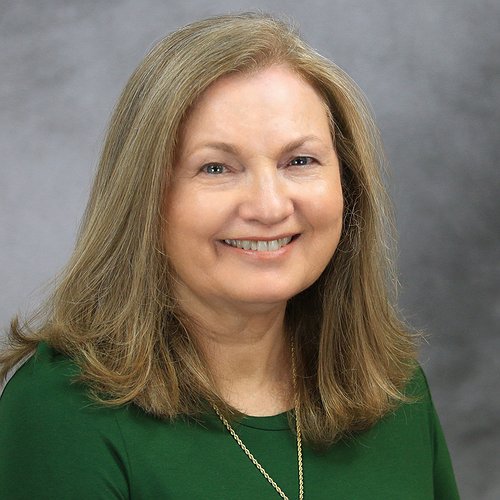
Dr. Debra Alvis is a licensed psychologist and internationally recognized expert in compassion fatigue prevention whose evidence-based trainings have supported thousands of healthcare professionals across medical and mental health settings worldwide. Her specialized programs have been implemented at major university health centers, helping clinicians sustain therapeutic presence while preventing burnout and secondary traumatic stress.
As founder of the Mind/Body Program at the University of Georgia, Dr. Alvis trained doctoral-level clinicians in integrative approaches that combine contemplative practices with modern neuroscience. Her research team explored applied mindfulness interventions, and she supervised psychology doctoral students while serving as university faculty. This academic foundation informs her practical, research-grounded approach to professional resilience.
For over two decades, Dr. Alvis has specialized in designing individual and group interventions that address the unique demands faced by professionals in empathy-intensive fields. Her work focuses on enhancing stress hardiness, work-life integration, and sustainable compassion through Polyvagal-informed interventions, somatic psychotherapies, and contemplative neuroscience applications.
Dr. Alvis holds certifications as both a mindfulness meditation teacher and yoga therapist (C-IAYT), along with specialized training in mind-body medicine (MMT). She maintains an active psychotherapy practice and leads international retreats, bringing a deeply integrative perspective to clinical training. Her presentations combine rigorous scientific grounding with immediately applicable tools that clinicians can implement to protect their wellbeing while maintaining therapeutic effectiveness.
Her compassion fatigue programs emphasize measurable outcomes including improved heart rate variability, reduced emotional exhaustion, and sustained compassion satisfaction, making her trainings particularly valuable for organizations seeking evidence-based approaches to clinician wellness and retention.
Learning objectives
Learning material
A theoretical course illustrated with clinical examples. This course is composed of videos of 5 to 15 minutes each. The PowerPoint of the course to download.
Syllabus
- PowerPoint
- 1. Introduction
- 2. Movement, Breath, and Sound Practice
- 3. Disclaimers
-
Compassion Fatigue – How it Impacts Helthcare Professionals
- 4. Call The Spirit Back
- 5. Defining Compassion and Suffering
- 6. Empathy and Compassion Fatigue
- 7. History of Compassion Fatigue
- 8. How Compassion Fatigue Diminishes Your Ability to Nurture
- 9. Compassion Satisfaction
- 10. The Neuroscience & Physiology of Compassion
- 11. Chanting & Song
- 12. The ethics of self-care
-
Signs and Symptoms of Compassion Fatigue
- 13. Identifying Compassion Fatigue
- 14. Identify Triggers for Emotional Distress
- 15. Restore Clarity
- 16. Take a Serotonin Break
- 17. Character Strengths and Virtues
- 18. Enhance Gratitude and Well-Being
- 19. Build Competence and Compassion by Being Present
- 20. Neuroplasticity Stories and Metaphors
- 21. The Benefits of Compassion Meditation
-
The Compassion and Empathy Toolkit
- 22. The Language of the Amygdala
- 23. Emotional Regulation, Self-Compassion & Mindfulness
- 24. Strenghen Awareness of Stress Response & Shift to Relaxation Response
- 25. Avoid Compassion Fatigue
- 26. GRACE and Release the Negative
-
Creating a Healthy Home/Work Balance
- 27. Bring Calm After Shifts With Relaxation Techniques that Work
- 28. How to rewire your brain towards happiness
- 29. Food as medicine
- 30. Empathic Joy
- 31. Retention and Resiliency Strategies
- 32. Stair-Steps Towards Building Resilient Practitioners
- 33. Conclusion
- Bibliography
CE Credits
Download a certificate of successful completion.
Audience
This training is intended for mental health professionals.
Your comments
"Excellent presenter--particularly enjoyed her calm demeanor demonstrated by her meditative activities which served to highlight their importance in alleviating stress and promoting self-compassion."
A psychologist (Canada)
"thank you, was very clear and useful" (automatically translated)
A psychologist (Canada)
Registration
Ask a question
Do you have a question? Then email us at contact@asadis.net
Frequently asked questions
-
Is there an evaluation at the end of the course?
To validate the achievement of the learning objectives, a final evaluation in the form of true/false questions is required. It must be completed in order to obtain the certificate of completion.
In addition, an optional self-assessment is offered at the beginning and end of the course, allowing you to measure your progress on the targeted skills.
These evaluations are not graded and are intended primarily to support your professional reflection.
-
I have a disability. Can I receive specific support?
Yes! This training is offered as a pre-recorded video format, without subtitles. If you have a disability, we can provide an adapted alternative (technical assistance for viewing or individual supervision). For any request, please contact our disability coordinator at the following address: contact@asadis.net
-
How long do I have access to the course?
After your registration, the course is accessible anytime and from anywhere with unlimited access.
-
When does the course start?
That is entirely up to you! When you buy a course, you'll receive an access link that you can activate when you want.
-
Is there a student rate?
Yes there is! To learn more, email us at contact@asadis.net.
Legal notice
The courses offered by ASADIS are accredited by different professional organisations. In addition, ASADIS is approved by the Canadian Psychological Association to offer continuing education for psychologists. ASADIS maintains responsibility for the program.
The CPA’s approval of an individual, group, or organization as a CE Sponsor or Provider is restricted to the activities described in the approved application or annual report form. The CPA’s approval does not extend to any other CE activity the Sponsor or Provider might offer. In granting its approval, the CPA assumes no legal or financial obligations to Sponsors, Providers, or to those individuals who might participate in a Sponsor or Provider’s CE activities or programs. Further, responsibility for the content, provision, and delivery of any CE activity approved by the CPA remains that of the CE Sponsor or Provider. The CPA disclaims all legal liability associated with the content, provision, and delivery of the approved CE activity.